Creative 90's Centerpieces for Modern Events


Intro
The 90s were a vibrant tapestry of cultural references, from music and fashion to pop culture phenomena that have shaped the contemporary landscape in many profound ways. Today, there is a noticeable revival of 90's aesthetics across various facets of design, particularly in event planning. Centerpieces inspired by the decade serve not just as decor but as a conversation starter, immersing guests in nostalgia while adding a playful touch to any gathering.
Events today yearn for uniqueness and character, and what better way to achieve that than by embracing the lively spirit of the past? By channeling the essence of the 90s, planners and hosts alike can create memorable focal points that capture the very heart of the decade. This exploration of 90's themed centerpieces will unravel the layers of cultural significance, the design elements that defined the era, and practical tips to execute them with style and elegance.
As we journey through this article, expect to see an array of colors, patterns, and ideas that are sure to inspire both fashion enthusiasts and boutique owners alike. From bold prints to quirky knick-knacks, the 90s offer plenty of avenues for creativity in modern event design. Let's dive into the next section, where we will explore some of the fashion trends that continue to influence today’s centerpiece designs.
Fashion Trends
Emerging Styles
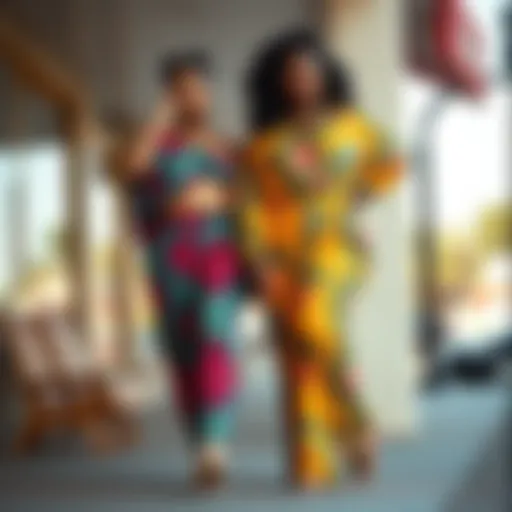
When thinking about 90's centerpieces, one can’t overlook the necessity of trendy aesthetics that reflect the vibrant spirit of the decade. Styles like grunge, minimalism, and pop culture references play a significant role in shaping the look and feel of centerpieces today. Think of centerpieces that incorporate flannel checks, oversized denim, and even classic bomber jackets as elements of design. These are not just relics of fashion; they’re expressions of an era.
Seasonal Must-Haves
Certain themes work better in different seasons. For spring and summer, think vibrant colors and florals inspired by the wild aesthetic seen in the likes of “Clueless” and “Friends.” On the flip side, fall and winter may evoke moodier, earthier tones with centerpieces featuring plaid patterns and rustic elements reminiscent of a 90s coffee shop. The choice of accessories can truly make a centerpiece pop.
“Nostalgia is a file that removes the rough edges from the good old days.” – Doug Larson
Fabric and Sustainability
Eco-Friendly Materials
With a growing awareness of the environmental impact of design and fashion, sustainable choices in materials are more critical than ever. In the context of 90's themed centerpieces, incorporating eco-friendly fabrics such as organic cotton or recycled materials can strike a balance between nostalgia and modern sustainability. Selecting fabrics that were commonly used back then, such as linen blends or even burlap, can further elevate the 90s theme while making conscientious choices.
Impact of Textile Production
Understanding the ramifications of textile production is vital for modern designers. In the 90s, the fast fashion industry exploded, often with little regard for environmental consequences. Today, incorporating vintage finds and understanding the stories behind them can enhance the narrative of a centerpiece. An old cassette tape or a pair of quirky sunglasses can serve not only as decorative pieces but also as a statement on sustainability and originality.
In closing, those who are willing to explore these 90s themes have countless opportunities to awaken old memories while simultaneously engaging modern sensibilities around design and sustainability.
Understanding the Aesthetic of the 's
The 1990s was a vibrant decade, brimming with unique cultural shifts and a distinctive aesthetic that has made a comeback in various modern events. Understanding this aesthetic isn't just about replicating styles; it’s about tapping into an era that shaped the tastes and sensibilities of many. As we dive into 90's themed centerpieces, grasping these elements plays a crucial role in creating authentic and engaging decorations that resonate with both nostalgia and contemporary flair.
Cultural Significance
The cultural context of the 90's offers rich ground for inspiration. This decade was rife with technological advancements, from the rise of the internet to the introduction of personal devices like the floppy disk and early mobile phones. Pop culture thrived, courtesy of unforgettable TV shows like Friends and The Fresh Prince of Bel-Air, as well as music icons from Nirvana to the Spice Girls.
These influences shaped the social norms and artistic expressions of the time. Incorporating symbols and visuals from this vibrant cultural landscape hearkens back to childhood moments for many, creating a sense of warmth and joy.
Establishing a connection to these memories through centerpiece decorations allows participants to experience the charm and whimsy of the 90s in a space that also embraces modernity.
Key Visual Elements
When it comes to the visual language of the 90's, several elements stand out that can help mold your centerpiece designs. Think about those bold graphic patterns, a hallmark of the time. Geometric shapes and eye-catching designs often adorned everything from textiles to wallpapers, dripping with a certain playful attitude. One of the best ways to integrate these visuals is through table runners, or backdrop displays featuring retro prints that instantly transport guests back in time.
Another important aspect is the use of vibrant and absurdly loud motifs. Whether it’s swirling pastel colors or neon accents, these can be incorporated into centerpieces through decor items like candles, vases, or even the tableware itself. Finding a balance between these strong visuals and more subtle materials will create an engaging experience for your guests without overwhelming them.
Popular Color Palettes
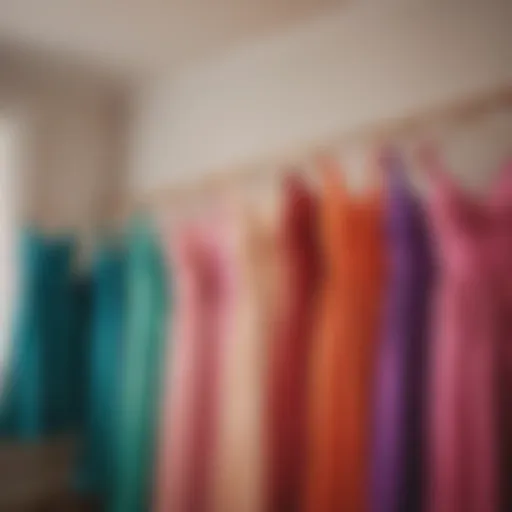
Color is a crucial element in representing the 90's aesthetic. The decade was characterized by a mix of neon brights, pastels, and earthy tones. Combinations like hot pink with electric blue, or mint green alongside bold orange, formulated the visual excitement of that period.
When designing centerpieces, consider utilizing these color palettes:
- Neon Colors: Bright greens, pinks, yellows, and blues reflect the fun and lively spirit of the decade.
- Pastel Tones: Soft lavenders, light pinks, and baby blues evoke a sense of nostalgia and balance the more vibrant hues.
- Earthy Natural Shades: These tones ground the design, creating contrast with brighter elements and adding depth.
Balancing these colors effectively can elevate a centerpiece from mere decoration to a focal point that captivates the audience.
"Key to a successful centerpiece is not only in its design but also in how it evokes the underlying themes of the era."
In this context, understanding the 90's aesthetic is not merely a nostalgic endeavor. It is an artful intertwining of past influences with present elements that resonates deeply with event goers, enriching their experience through layers of meaning and memory.
Designing 's Centerpieces
Creating centerpieces inspired by the 90s isn't just about nostalgia; it's about harnessing a vibrant aesthetic that can enliven any modern event. This decade was marked by distinctive design choices, playful colors, and a celebration of popular culture that many still cherish today. By integrating these elements into your centerpieces, you can stem the tide of mundane decor and invite guests into a lively ambiance reminiscent of a dynamic era.
One of the greatest benefits of designing 90s centerpieces is the ability to conjure up feelings of nostalgia. Those who grew up in the 90s are likely to appreciate the subtle nods to their childhood, which can lead to deeper connections during the event. Additionally, the bold colors and dynamic patterns can grab the attention of younger generations, making the theme universally appealing.
This section will dig into the essential components of designing these centerpieces, highlighting the unique symbols from the decade, the importance of layering textures, and how to achieve thematic cohesion in your design.
Incorporating Iconic Symbols
Graphic Patterns


When it comes to graphic patterns, the 90s had a flair that was truly unique. For many, the era’s penchant for geometric shapes, squiggles, and bright colors bursts forward into memory like a VHS tape coming to life. Using these graphic patterns as a base for centerpieces can significantly uplift the visual appeal of any event.
These patterns not only evoke a sense of playful energy but also provide a backdrop that can accentuate other elements of your decor. The key characteristic here is boldness. Choosing a design that features jagged lines or zigzags speaks to both eye-catching aesthetics
- Advantages: Graphic patterns draw attention, making them great conversation starters. They can also be mixed and matched, lending versatility to your centerpieces.
- Disadvantages: If overdone or poorly integrated, they can become overwhelming or clash with the event's theme.
Retro Technology
Another hallmark of the 90s was its distinctive technology, like the floppy disks, cassette tapes, and early gaming consoles. This segment of the decade's aesthetic can bring a unique character to centerpieces. Imagine a centerpiece crafted from vintage cassette tapes stacked as a base with flowers or other decor popping out of the top.
What sets retro technology apart is its nostalgic charm and engaging storytelling elements. By incorporating these items, you create not only a visual focal point but also a narrative that can spark memories among guests.
- Advantages: Retro tech can easily become a discussion piece, and they can often be found at thrift stores or garage sales, making them both accessible and cost-effective.
- Disadvantages: Certain items may be fragile or difficult to work with, and some guests may not resonate with the theme if they're unfamiliar with these objects.
Toys and Memorabilia
Toys and memorabilia from the 90s often sparked joy and imaginative play among children. Think of brightly colored Tamagotchis, Beanie Babies, or even classic Lego sets. Including these items in your centerpieces is a sure-fire way to evoke a sense of happiness and nostalgia for those who grew up in the era.
The beauty of utilizing toys lies in their inherent playfulness and colorfulness. Items like plush figures or iconic toys can offer a whimsical touch that enhances the entire table setting.
- Advantages: Toys can be conversational pieces and draw in guests of all ages, connecting them through shared experiences. They are often available at low costs, making for a budget-friendly decor option.
- Disadvantages: There may be a risk of appearing juvenile or overly childish if they are not balanced with more sophisticated decor components.
Layering Textures and Materials
Plastic and Metal
Combining plastic and metal can infuse your centerpieces with an edgy appeal common in the 90s. Think about the shiny metal of a popular snack canister wrapped in colorful plastic sheets. This junction of materials not only celebrates the era but also allows you to create unique contrasts that make the centerpiece pop.
- Advantages: The durability of these materials can be beneficial for outdoor events or venues with varying conditions.
- Disadvantages: The starkness of metal can sometimes overshadow more delicate elements, so balance is key.
Fabric Choices
Utilizing fabrics such as denim or colorful velvet directly ties to 90s fashion trends. Denim table runners or velvet pouches can introduce both texture and a pop of culture. Fabrics can soften hard edges of other materials while drawing on the comfort and familiarity associated with them.
- Advantages: Fabrics can be easily found, and they provide a tactile comfort that can enhance guest experience. Using various fabric textures can add depth to your design.
- Disadvantages: Some fabrics might require more maintenance and care, especially if used with food or drink items.
Natural Elements
Incorporating natural elements, such as plants or flowers can balance out the synthetic nature of some 90s designs. Utilize succulents in colorful pots or wildflowers in retro containers to add a refreshing touch to your centerpieces. The juxtaposition of natural elements with bold 90s symbols offers a harmonious aesthetic.
- Advantages: They add life to the centerpiece and can be tailor-fitted according to any season.
- Disadvantages: Some plants may not suit every environment, and there may be allergies to consider among guests.
Creating Thematic Cohesion
Cohesion is crucial when designing 90s centerpieces. By ensuring that each element—from the patterns to the materials—aligns with the overall theme, you create a unified atmosphere. This step is fundamental to pull everything together.
For instance, if your color palette revolves around neon hues, ensure that all your decor items adhere to this palette across the tables. The more coherent the design, the more impactful the centerpiece will be. An audience can pick up on the intent and commitment to theme, which can elevate the entire guest experience.
In summary, designing 90's themed centerpieces is about more than just decoration; it's about capturing a spirit that blends nostalgia with modern relevance. By thoughtfully incorporating iconic symbols, balancing textures, and ensuring thematic cohesion, you transform each table into a vibrant testament to a classic era.
Materials for 's Centerpieces
Materials play a pivotal role in crafting the essence of 90's themed centerpieces. It's not just about colors and patterns; the tangible elements you choose can profoundly influence the overall atmosphere. In the spirit of the 90s, the selection of materials can evoke nostalgia while also being practical and modern.
Using appropriate materials can elevate an ordinary centerpiece into a striking visual focal point that resonates with the playful yet sophisticated spirit of the decade. When planning for modern events, balancing aesthetics with sustainability should be at the forefront. It's essential to consider how the materials used not only represent that vibrant period but also reflect current environmental consciousness.
Recyclable Options
In today's ecological landscape, opting for recyclable materials for centerpieces isn't just a trend—it's a necessity. By using items that can be repurposed, you're pulling double duty: creating memorable decor while minimizing waste. Items like paper, glass, and certain types of metals lend themselves well to this purpose.
- Paper: 90's nostalgia can easily be incorporated using brightly colored paper. Think along the lines of magazines from the era or even comic book pages. They can be fashioned into flowers, origami, or layered into unique table runners.
- Glass: Recycled glass bottles can easily become chic vases or candle holders, paying homage to the 90's minimalist aesthetic, while still presenting a modern touch with thoughtful design.
- Metal: Old tin cans, painted in vibrant colors typical of the 90s, can provide rustic charm and functionality as planters or utensil holders on tables.
Embracing recyclable materials not only contributes to environmental sustainability but can also create an engaging conversation starter among guests, transforming the centerpiece from mere decor to a point of connection.
Sustainable Alternatives
When it comes to sustainability, integrating eco-friendly materials can be as crucial as capturing the 90s vibe. Alternatives to traditional materials can embody that nostalgia without leaving a large carbon footprint.
- Bamboo: This versatile material is super trendy right now. Its natural appearance and strength can create striking structures or decorative pieces, reminiscent of the organic trends in the 90s.
- Hemp: Known for its durability, hemp fabric can add a tactile quality. It can be used for table runners or wraps around vases, introducing a touch of the earthy tones that were quite popular in the decade.
- Repurposed Vintage Items: Scouring through thrift stores or flea markets for 90s collectibles, like old toys, memorabilia, or even fashion items, can breathe new life into their roles as centerpieces. Think along the lines of retro games or old VHS tapes creatively stacked or displayed.
Using sustainable alternatives not only pays homage to the past but aligns perfectly with the conscious consumerism of modern society.
"In a world focused on the present, the materials of the past can craft stories that resonate deeply within the here and now."


Practical Examples of Centerpiece Designs
When it comes to designing a memorable event, practical examples of centerpiece designs are not just ornamental but crucial pieces of the overall ambiance. These centerpieces not only express creativity but also reflect the theme and mood of the event. In the context of 90's themed gatherings, examples that echo the cultural, social, and aesthetic essence of that decade can really enhance the attendee experience. They create connections to the past, igniting a nostalgic flame while seamlessly integrating with modern styles.
Table Settings Inspired by 's TV Shows
Channeling the essence of beloved 90's TV shows can transform any table setting into a delightful time capsule. Think about a centerpiece that features elements from iconic productions like Friends or The Fresh Prince of Bel-Air. Using vibrant colors, geometric patterns, and elements related to the show—like mini replicas of Central Perk coffee cups or a colorful cassette tape—can evoke memories.
To give it an appealing touch:
- Choose tablecloths reminiscent of those used in the shows.
- Utilize coasters featuring quotes or images from memorable episodes.
- Place figurines of beloved characters as focal points on the table.
This approach not only entertains but also engages guests in shared nostalgia and conversation.
Events that Embrace Bold Patterns
Embracing bold patterns is a hallmark of the 90's aesthetic that can be both eye-catching and striking. Think of using neon colors, checkerboard designs, or abstract geometric shapes. Such patterns can be introduced in various ways:
- Table runners with vibrant checker patterns can make for an engaging visual.
- Centerpiece vases painted in zany hues can pull together the color scheme.
- Napkin rings adorned with motifs like stripes or polka dots can add flair.
The key is to be fearless in the use of patterns; mixing them in clever ways can tie everything together while bringing a sense of liveliness to the event.
Combining Vintage and Modern Elements
Striking a balance between vintage charm and modern elegance can create incredibly captivating centerpiece designs. To marry these two worlds:
- Consider modern glass vases filled with retro-inspired items, like vinyl records or vintage toys.
- Enhance using LED lights as accents, framing classic 90's memorabilia, giving it a contemporary spin.
- Utilize simple and sleek tableware paired with nostalgic elements like brightly colored plastic cups or themed plates.
"Combining the nostalgic elements of the past with modern aesthetics creates a unique atmosphere that resonates with a wide audience."
These thoughtful integrations can craft a whimsical yet classy vibe, appealing to both nostalgic older guests and the younger crowd who appreciate retro flair.
DIY Projects for Authentic Centerpieces
Creating your own centerpieces can be a rewarding way to capture the spirit of the 90s while ensuring that your event stands out as unique. DIY projects not only add layers of personalization but also allow you to incorporate memories and motifs that resonate with your own experience of the decade. Engaging in these projects also teaches resourcefulness, helping you discover innovative ways to repurpose materials, align with sustainable practices, and build a connection to nostalgia that store-bought items may lack.
Crafting with Upcycled Materials
Upcycling is all the rage these days and for good reason. It’s a creative means to take what’s old and turn it into something fresh. Think about rummaging through your attic or visiting thrift stores for goods from the 90s—old cassette tapes, VHS cases, or even mismatched furniture pieces.
When using upcycled materials, aim for a cohesive look by choosing items that represent the era’s fun character. A great example is to transform an old CD into a shimmering centerpiece. Simply hang vintage-style music notes or colorful beads from it to create a whimsical mobile centerpiece.
Another option might be to use old jeans or flannel shirts—these fabrics were staples in the 90s. By cutting them into strips and weaving them into a table runner, you infuse a casual yet nostalgic vibe that reminds guests of Burger King crowns and grunge concerts.
Customizing Store-Bought Items
Sometimes, you might find a centerpiece that is close to perfect but needs a little personal touch to really resonate with your theme. Customizing store-bought items offers a balance between convenience and authenticity.
For instance, purchasing glass vases from a local craft store isn’t a bad idea; however, consider jazzing them up with the vibrant stickers and motifs found in 90’s merch. You could even use fabric paints to add a splash of color or to depict iconic symbols like a Tamagotchi or a slap bracelet. This gives an otherwise standard piece a nostalgic punch.
Consider utilizing inexpensive props from outlets like Party City or Amazon. You can snag felts, beads, and even faux plants for a charming blend of old and new. Painting a simple terracotta pot with classic 90's patterns—like swirls or grids—can be a simple yet effective design choice for a centerpiece.
Utilizing Digital Design Tools
In today’s digital world, leveraging design software can elevate your DIY projects to new heights without needing advanced skills. Programs like Canva or Adobe Spark provide user-friendly interfaces for creating invitations, table signs, or even custom backdrops that align with your 90s theme.
Imagine crafting a whimsical visual display that incorporates pops of color, retro typography, and graphics that harken back to classic television shows. Additionally, having the ability to print these designs at home or through a local printer offers you flexibility and ease, letting your creativity flow unhindered.
Furthermore, Southern Living has simple tips on utilizing these digital tools effectively to turn your visions into reality. Think about integrating pixel art or even 8-bit graphics, reminiscent of early video games, into your centerpiece designs.
Incorporating Personalization
Personalization is a key aspect of creating memorable and engaging centerpieces for modern events, particularly those embracing a 90's theme. The decade's cultural landscape was marked by vibrant individuality and a strong emphasis on personal expression. Honoring this spirit of the 90s, incorporating personal touches into centerpieces not only enhances the aesthetic appeal but also fosters connections among guests.
When you add personalized elements, it can transform a simple decoration into a conversation starter. A centerpiece that reflects shared memories, hobbies, or interests can spark laughter and stories among attendees, adding layers of depth to the gathering. Besides, a personalized touch can elevate the event's atmosphere, making it feel tailored and special rather than generic.
Benefits of Personalization
- Enhanced Guest Experience: Personalization creates a sense of inclusion, allowing guests to feel more connected to the theme and each other.
- Memorable Themes: Unique touches based on personal experiences can make a lasting impression, turning fleeting moments into cherished memories.
- Stronger Theme Cohesion: Tailoring elements to fit personal narratives can contribute to a more immersive environment that resonates with attendees on a deeper level.
Considerations About Incorporating Personalization
While adding personalized elements, it's crucial to balance creativity and coherence within your centerpiece design. Here are some factors to keep in mind:


- Theme Consistency: Ensure that any personal elements still align with the overall 90's theme. For instance, using specific vintage toys that were popular during the era can create a bridge between personal sentiment and nostalgic aesthetics.
- Inclusivity: Personal memories should appeal to a broader audience when possible. Selecting memories that might resonate with multiple guests can enhance the collective experience.
- Space and Layout: Think about how large or intricate personal elements will be. Maintaining a cohesive look is paramount. If you're including family photos or mementos, ensure they don’t overwhelm the arrangement.
Adding Personal Memory Elements
Incorporating specific memories into a centerpiece can create a rich narrative that connects guests to the 90s ethos. Memories tied to the 90s can vary widely, from favorite cartoons to fond recollections of family gatherings. Here are some ideas to bring personal memory elements into your centerpieces:
- Photographs: Use photos from the 90s or images of friends and family from that era as part of a decorative display. These could be arranged in mini frames on the table or displayed within a retro-themed photo collage.
- Memorabilia: Incorporate items that carry significance, like mini cassette tapes, CDs featuring favorite 90's music, or even pieces of memorabilia from popular movies of the decade. These objects can spark nostalgia and serve as conversation starters.
- Handwritten Notes: Guests can share a brief memory or a favorite 90's reference. These notes can be part of the centerpiece display, inviting others to read and share their thoughts in return.
Creating Guest-Specific Centerpieces
Designing centerpieces specifically for guests adds yet another layer of meaning to the 90's-themed event. This approach not only honors the individuality of each guest but can also help tailor their experience uniquely. Here are some methods to achieve this:
- Guest Profiles: Before the event, gather information about guests' interests, favorite memories, or even their top 90's icons. Use this data to create centerpieces reflective of their personalities. For example, a guest who loved the TV show "Friends" could have a centerpiece featuring memorabilia from the series.
- Interactive Elements: Incorporate activities related to guests. For instance, if a guest has a passion for a particular trailblazing artist from the 90s, items such as album covers or concert snapshots can be displayed, inviting further exploration and conversation.
- Customized Place Settings: Personalize each guest's place setting with items that speak to them. For instance, a small card can include a favorite quote from their childhood, enhancing that warm, nostalgic feeling.
Through these strategies, the nostalgic pull of the 90s can be juxtaposed with genuine personalization, creating dynamic and engaging centerpieces. Each piece becomes a canvas of memories, intertwining personal experiences with the spirited essence of that electrifying decade.
The Role of Centerpieces in Event Atmosphere
Centerpieces serve as more than mere decorations; they play a pivotal role in shaping the overall atmosphere of an event. In the context of 90's themed gatherings, these focal points can evoke nostalgia, spark conversations, and create an immersive experience for guests. It’s no exaggeration to say that a well-crafted centerpiece can transform an ordinary table into a vibrant reminiscence of an era filled with joy and creativity.
Enhancing Theme Engagement
Engagement with the theme is crucial in any event planning. Centerpieces anchoring a 90's theme can enhance this engagement in several ways. First, they act as visual triggers, bringing back memories of the decade through iconic imagery and aesthetics. Consider a centerpiece featuring cassette tapes stacked artfully with neon-colored flowers—instantly, you can almost hear the tunes of the past wafting through the air.
Moreover, a centerpiece that reflects the cultural aspects of the 90's can entice conversations among guests. For instance, a centerpiece adorned with beloved toys from the decade, like Tamagotchis or Beanie Babies, will not only catch the eye but also stir up delightful recollections and discussions. This leads to a more involved and lively atmosphere, drawing attendees closer to the theme.
Additionally, when the centerpieces align with the event’s overall decor—like aligning colors and styles with 90's fashion—all elements work together harmoniously, making for a cohesive theme that resonates deeply with attendees. This unity transforms not just the tables but the entire event space into a nostalgic journey.
Visual Focal Points
Centerpieces naturally become visual focal points that guide the eye and frame the experience of the event. When designing for a 90's-themed event, it is essential to consider elements that stand out while encapsulating the essence of the decade. For instance, a bold centerpiece crafted from brightly colored fabrics resembling 90's fashion trends, combined with geometric shapes and patterns, can pull attention immediately.
Also, using layers of texture can add significant depth to any centerpiece. A mix of shiny materials, such as metallic surfaces or iridescent elements, can attract light and attention, lighting up the whole table setting. Think of a centerpiece designed with reflective components, mirroring the dynamic spirit of the 90's music scene.
"A centerpiece isn't just a decoration—it's a narrative that unfolds around the table, guiding conversations and creating memories."
Future Trends in Themed Centerpieces
As we look to the horizon of event design, the future of themed centerpieces is already shaping up to be as vibrant and playful as the decade it draws from. The 1990s aesthetic, with its unique flair, remains relevant, but evolving trends reflect changes in culture, technology, and sustainability. Through examining these future trends, event planners can ensure their designs resonate with both nostalgia and contemporary taste. The focus now is on blending the old with the new, creating immersive experiences that engage audiences at multiple levels.
Hybrid Designs and Influences
Hybrid designs are emerging as a hallmark of modern event centerpieces, blurring the lines between traditional 90's motifs and contemporary style. By merging vintage elements with modern aesthetics, planners have the opportunity to craft centerpieces that tell a story across generations. For example, using bright neon colors typical of the '90s alongside sleek minimalist furniture or clean white table linens can create a striking contrast that catches the eye.
Moreover, this blend often incorporates unexpected materials. Consider experimenting with reclaimed wood, juxtaposed against plastic accents that celebrate the era. Not just about looks, these elements invite conversations about sustainability and resourcefulness, echoing a growing demand for eco-friendly events.
- Key features of hybrid designs include:
- Unexpected material combinations
- Nostalgic color palettes fused with modern shades
- Textures that bridge past and present
Technological Integration
With technology firmly established in our lives, it comes as no surprise that it’s beginning to influence centerpiece designs. The integration of digital elements into centerpieces allows for interactive experiences. Imagine a centerpiece that features LED lights synced to music or even projections that showcase moments from the 90's—think classic TV show clips, or beloved 90's pop culture icons.
These innovations not only captivate guests but also facilitate a deeper emotional connection, as they transport attendees back in time. Digital tools can also aid in customization processes, allowing hosts to personalize elements based on their crowd’s interests. By utilizing apps or even augmented reality, designers can offer a unique experience, like a virtual photo booth that brings nostalgic aspects to life.
"Incorporating technology into centerpieces is like adding a cherry on top of an already amazing sundae. It elevates the experience and makes events unforgettable."
The role of technology is more than just for decoration; it encapsulates the very essence of engagement in today’s events. As we advance, we can only imagine the creative ways designers can blend the past with the digital future, leading the charge into the realm of interactive nostalgia.
Culmination: Reviving Nostalgia Through Design
As we wrap up our exploration into 90's themed centerpieces, it becomes clear how nostalgia can weave its magic into modern design aesthetics. This article sheds light on the significance of reviving the color, patterns, and cultural references from the 90s, all while staying relevant to contemporary event design.
Nostalgia is a powerful tool. It evokes emotions and sparks memories, acting like a bridge between the past and present. For event planners and designers today, tapping into the vibe of the 90s allows for a unique engagement strategy. When attendees walk into an event, they often bring their experiences with them. Utilizing 90's themed centerpieces can contribute to a sense of familiarity and warmth, engaging participants beyond the superficial level.
Specific Elements of the Revival
- Design Coherence: Incorporating key visual elements from the 90s, such as neon colors or bold graphics, into centerpieces helps create a cohesive atmosphere.
- Cultural Relevance: With shows like Friends or pop icons like Britney Spears still heavily referenced today, the cultural significance of the 90s remains relevant. This can enhance conversations and encourage guest interaction.
- Practical Application: By employing simple DIY projects or utilizing modern technology to enhance vintage looks, event hosts can stay sustainable while still reaching for that nostalgic essence.
Benefits of Nostalgia in Events
- Emotional Connection: Guests are likely to share personal stories tied to the 90s, fostering deeper connections.
- Memorable Experiences: A well-executed nostalgic theme makes events stand out, giving guests something to talk about long after the party.
- Creative Freedom: The 90s bred diverse design opportunities—from the eclectic to the chic—allowing for a broader interpretation to fit various event types.
Considerations in Design
While the nostalgia of the 90s brings many advantages, event planners must remain mindful of certain factors. Authentic reproduction is key; a kitschy approach could steer guests away rather than invite them in. Therefore, thoughtful selection of materials and design elements—balancing authenticity with modern sensibilities—is essential.
"Nostalgia, like a soft melody playing in the background, can enhance the tone of an event and transport guests to another time."
In summary, the revival of nostalgia through design, especially using 90s themed centerpieces, provides a fresh yet familiar framework for modern events. It's a delightful way to resonate with attendees while keeping the spirit of the decade alive. With the right touch, an event can transform into not just a gathering, but a journey back in time.